Why Tigard’s Heavy Rainfall Demands More Frequent Gutter Cleaning
Tigard’s long, wet falls and winters dump inches of rain on roofs that shed pine needles, maple samaras, and moss straight into gutters. When downspouts can’t keep up, water backs up under shingles, pools at foundations, and turns small clogs into costly repairs. We’ve seen firsthand how seasonal debris here accelerates wear on even well-installed systems.
How Tigard’s Climate Accelerates Gutter Clogs
The Willamette Valley’s mild, wet winters mean gutters fill fast with organic debris. Pine needles from Douglas firs and cedars mat together, trapping water and creating heavy, sagging loads that pull gutters away from fascia boards.
Maple and oak trees drop helicopter seeds and leaves that cling to wet surfaces, forming a dense sludge that standard screens can’t always stop. Moss growth on north-facing roofs adds another layer of grit that washes into downspouts.
Even a single heavy storm can deposit enough material to reduce drainage capacity by 50%. In neighborhoods like Bull Mountain or Summerlake, steep roof pitches and mature trees compound the problem.
The Domino Effect of a Single Clogged Downspout
When one downspout backs up, water overflows the gutter trough and spills behind it. Over time, this erodes the fascia and soffit, leading to wood rot that can spread into rafter tails.
Ground-level impacts are just as serious. Water pooling near foundations can crack concrete, undermine footings, and invite basement leaks—especially in older Tigard homes with shallow grading.
In winter, trapped water freezes and expands, forming ice dams that lift shingles and force water under roofing. This cycle shortens the lifespan of even high-quality gutter systems.
Overflow often starts at inside corners or end caps, where water can wick into walls before you notice staining inside. Annual inspections catch these early.
Gutter Materials and How They Handle Tigard’s Rain
Seamless aluminum gutters are the local standard—they resist rust and handle our acid rain better than steel. But even aluminum can dent under the weight of wet, frozen debris if not cleaned regularly.
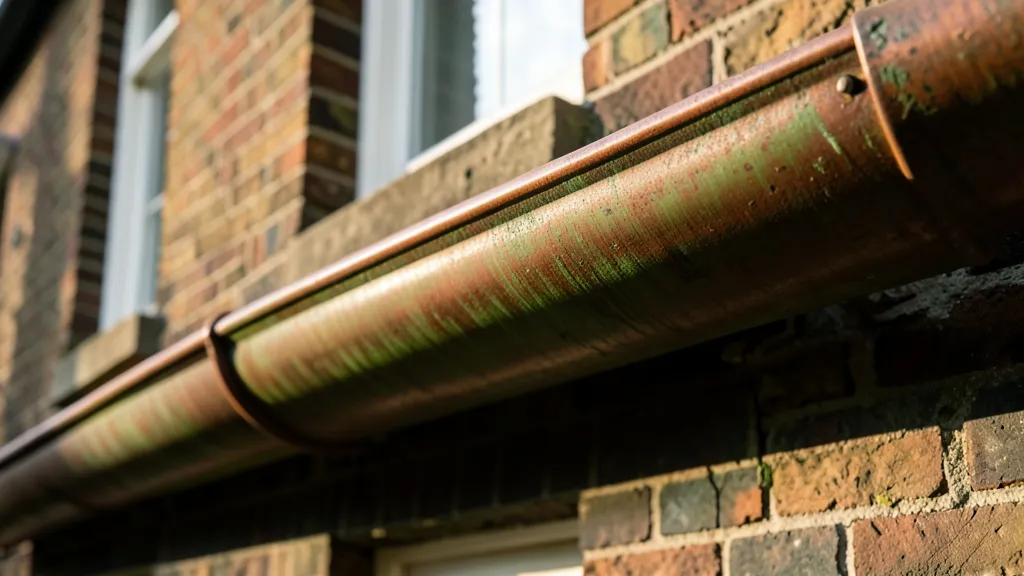
Copper gutters develop a protective patina but require more care to prevent oxidation stains on siding. Vinyl gutters, common in some Tualatin and Lake Oswego homes, can become brittle in our temperature swings.
| Material | Durability | Maintenance Needs | Cost Factor |
|---|---|---|---|
| Seamless Aluminum | High (20-30 yrs) | Low; periodic cleaning | Moderate |
| Copper | Very High (50+ yrs) | Moderate; patina upkeep | High |
| Steel (Galvanized) | Moderate (15-20 yrs) | High; rust-prone | Low |
| Vinyl | Low (10-15 yrs) | Low; brittle in cold | Low |
Signs Your Tigard Gutters Need Immediate Attention
Water spilling over the sides during rain is the most obvious red flag. But look for subtler signs: paint peeling on the fascia, or rust streaks on downspouts—these indicate long-term moisture exposure.
Sagging sections or gutters pulling away from the roof line often mean the weight of trapped debris has strained the hangers. In areas like Beaverton or King City, older homes may have insufficient hanger spacing for today’s rainfall volumes.
Check for mildew or mold on siding directly below the gutters, or erosion channels in the soil near downspout outlets. These point to chronic overflow.
Quick Gutter Health Check
- Inspect for standing water in troughs after rain
- Look for gaps between gutter seams or at end caps
- Test downspouts with a hose to confirm free flow
- Check for granules from shingles accumulating in gutters
Why Twice-Yearly Cleaning Isn’t Enough Here
Most national guidelines suggest cleaning gutters twice a year. In Tigard, that’s the bare minimum. Our fall leaf drop is heavy, and spring brings seed pods and blossoms that clog screens fast.
Homes near green spaces like Cook Park or along the Tualatin River may need quarterly service. Commercial properties with large roof footprints in Durham or Lake Oswego often require more frequent attention to prevent overflow onto sidewalks or parking areas.
After major windstorms—common in the Portland metro—we recommend a visual check. A single storm can drop enough branches and needles to block an entire run.
Schedule a late-fall cleaning after the last leaves drop, then again in early spring before the rainy season peaks. This two-step approach prevents most ice dam and overflow issues.
Gutter Guards: Do They Work in Tigard’s Conditions?
Mesh-style guards excel at keeping pine needles out but can clog with fine silt and moss. Reverse-curve systems shed most debris but may struggle with heavy, wet loads typical in our storms.
Screen-style guards are affordable but often require more frequent cleaning themselves. In neighborhoods with dense tree cover, we often recommend a combination of guards and regular maintenance for best results.
No guard eliminates the need for inspections. Even the best systems can develop gaps or sagging that allow debris to accumulate underneath.
When Cleaning Isn’t Enough: Repair and Upgrade Options
If gutters are sagging, we often reseal and reslope them to restore proper drainage. This is common in older Tigard homes where original installations didn’t account for modern rainfall volumes.
Downspout extensions or additional downspouts can solve chronic overflow issues, especially on large roofs. In areas with poor grading, we may recommend splash blocks or French drains to direct water further from foundations.
For homes with recurring clogs, upgrading to larger gutters (6-inch vs. 5-inch) or adding more downspouts can significantly improve performance. Seamless gutter installation reduces leak points and extends system life.
How to Inspect Your Gutters Between Professional Cleanings
A quick visual check can help you catch problems early and avoid costly water damage.
- 1Safety First
Use a sturdy ladder on level ground, and have a spotter. Never lean the ladder against the gutters themselves—they may not support your weight.
- 2Check for Visible Debris
Look for leaves, needles, or sediment buildup in the troughs. Even small piles can indicate a clog forming at a downspout.
- 3Test Downspout Flow
Run a hose into the gutter and watch the downspout outlet. Water should flow freely; if it backs up, there’s a blockage.
- 4Inspect for Damage
Look for rust, cracks, or gaps at seams and end caps. Note any sections pulling away from the fascia—these need immediate attention.
- 5Examine the Ground Below
Check for erosion or water pooling near downspout outlets. These are signs of improper drainage or overflow.
Frequently Asked Questions
How often should I clean my gutters if I have a lot of trees near my Tigard home?
With heavy tree cover, we recommend cleaning every 3-4 months, especially if you have pine or cedar nearby. A late-fall and early-spring cleaning are essential, with additional checks after major storms.
Can clogged gutters really damage my foundation?
Absolutely. When gutters overflow, water pools around the foundation, leading to cracks, settling, or even basement flooding. This is a common issue in older Tigard and Beaverton homes with shallow grading.
Are gutter guards worth the investment in the Pacific Northwest?
Yes, but they’re not a set-it-and-forget-it solution. Guards reduce debris buildup but still require periodic maintenance. Mesh and reverse-curve styles perform best in our climate, though no system eliminates the need for inspections.
What’s the difference between gutter cleaning and gutter maintenance?
Cleaning removes debris and ensures proper flow, while maintenance includes repairs like resealing joints, adjusting slope, or replacing damaged sections. Both are critical in Tigard’s wet climate to extend your system’s life.
Do I need to clean my gutters if I have a new roof?
Yes. A new roof sheds more granules initially, and these can clog gutters quickly. Plus, even new gutters can collect debris from surrounding trees. Regular cleaning protects both your roof and gutter investment.
Can I clean my gutters myself, or should I hire a professional?
DIY is possible for single-story homes with easy access, but Tigard’s frequent rain and tall trees often make it risky. Professionals have the right tools, safety equipment, and experience to spot potential issues like loose hangers or improper slope.