Vinyl vs. Metal Gutters: Which Is Right for Your Tigard Home?
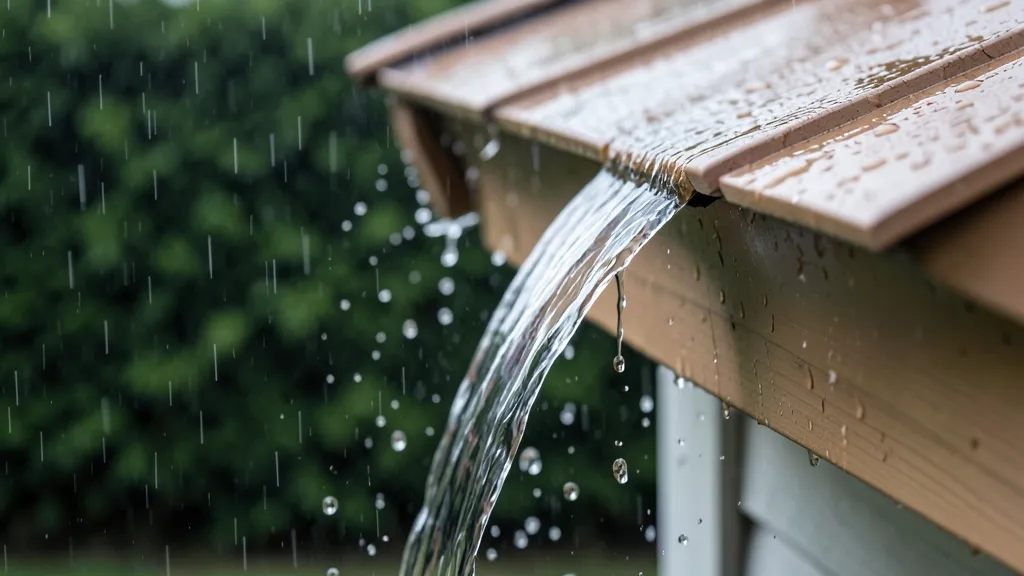
Choosing between vinyl and metal gutters isn’t just about looks—it’s about performance in Tigard’s wet, windy climate. We’ve installed and maintained both for years, and the right choice depends on your home’s needs, budget, and long-term goals.
Why Gutter Material Matters in the Pacific Northwest
Tigard’s rainy winters and windy springs demand gutters that can handle heavy water flow and debris without failing. Poor material choice leads to sagging, leaks, or premature replacement.
Metal gutters excel in durability, but vinyl offers simplicity and cost efficiency for the right homes. The key is matching the system to your roof’s pitch, tree coverage, and local weather patterns.
Vinyl Gutters: Pros and Cons for Local Homes
Vinyl gutters are lightweight, rust-proof, and easy to install, making them a popular DIY choice. They’re also resistant to the corrosion that plagues some metal systems in damp climates like ours.
However, vinyl can become brittle in extreme cold or under heavy debris loads. It’s not ideal for steep roofs or areas with large trees, like parts of Lake Oswego or Tualatin, where branches and pine needles add stress.
Vinyl gutters can crack under the weight of ice or ladders during cleaning. Avoid them if your roof has a sharp pitch or overhangs with heavy snow buildup.
Metal Gutters: Aluminum, Steel, and Copper Compared
Aluminum is the most common metal gutter in Tigard—lightweight, rust-resistant, and available in seamless options. It handles our rain volume well but can dent under hail or falling branches.
Steel gutters are stronger but heavier, requiring reinforced fascia. They’re a solid choice for larger homes in Beaverton or King City but may need more maintenance to prevent rust.
Copper is the premium option: durable, corrosion-proof, and stunning as it ages. It’s often paired with high-end homes in Lake Oswego but comes with a higher upfront investment.
| Material | Durability | Maintenance | Best For |
|---|---|---|---|
| Aluminum | High (20-30+ years) | Low (rust-proof, may dent) | Most homes, seamless options |
| Steel (Galvanized) | Very High (30+ years) | Moderate (rust risk if scratched) | Heavy rain areas, commercial properties |
| Copper | Exceptional (50+ years) | Low (patinas naturally) | Luxury homes, historic properties |
Climate Considerations: How Tigard’s Weather Affects Your Choice
Our mild but wet winters mean gutters must resist constant moisture. Metal gutters, especially aluminum and copper, won’t warp or degrade like lower-grade vinyl over time.
Summer heat can cause vinyl to expand and contract, leading to gaps or leaks at the seams. Metal gutters hold their shape better in temperature swings, which is critical for homes in open, sunny areas like Durham.
Maintenance: What to Expect with Each Material
Vinyl gutters require less upkeep but are prone to cracking during cleaning if not handled carefully. Regular inspections for sagging or seam separation are a must.
Metal gutters, particularly steel, may need occasional resealing or touch-ups to prevent rust. Copper develops a protective patina, reducing long-term maintenance but requiring gentle cleaning to avoid scratching.
Use a gutter cleaning wand or soft-bristle brush for vinyl to avoid scratches. For metal, avoid abrasive tools that can strip protective coatings.
Cost Factors: More Than Just the Upfront Price
Vinyl is typically the least expensive upfront, but its shorter lifespan in harsh conditions can mean higher long-term costs. Metal gutters cost more initially but often pay off in durability and fewer repairs.
Installation complexity also plays a role. Seamless aluminum gutters require professional fitting, while vinyl systems are often sold in DIY-friendly sections. Request a quote to compare total project costs for your home.
Aesthetics and Curb Appeal
Vinyl gutters come in a range of colors to match your siding or trim, but they lack the sleek, custom look of metal. Aluminum can be painted, while copper offers a distinctive, evolving finish that adds character to historic or upscale homes.
For neighborhoods like Tigard’s older districts or Lake Oswego’s waterfront properties, metal gutters often align better with architectural styles and boost resale value.
When to Consider Gutter Guards or Upgrades
No matter the material, gutter guards can reduce debris buildup—critical in areas with heavy tree cover like Tualatin or King City. They’re compatible with both vinyl and metal but work best with systems designed for high water flow.
If your current gutters are sagging or leaking, it may be time for a full replacement or resealing. We often pair gutter updates with downspout repairs or roof inspections to address underlying issues.
Signs You Need Gutter Upgrades
- Visible rust, cracks, or seam separation
- Gutters pulling away from the fascia
- Water pooling or overflowing during rain
- Ice dams forming in winter
How to Inspect Your Gutters for Material Wear
A quick visual check can reveal whether your gutters are holding up or need attention.
- 1Check for Sagging
Walk around your home and look for sections pulling away from the roofline. Sagging often signals weight stress or failing hangers.
- 2Look for Rust or Corrosion
On metal gutters, rust spots or white chalky residue (oxidation) mean the protective coating is failing. Vinyl won’t rust but may show discoloration or cracks.
- 3Test the Seams
Run a hose along the gutters and watch for leaks at the joints. Seamless gutters eliminate this issue but require professional installation.
- 4Inspect Downspouts
Ensure downspouts are securely attached and directing water at least 5 feet from your foundation. Clogs or detachment can cause backup and damage.
- 5Assess Debris Buildup
If gutters are overflowing or plants are growing inside, it’s time for a cleaning—or an upgrade to a better material or gutter guards.
Frequently Asked Questions
Are vinyl gutters a good choice for Tigard’s rainy climate?
Vinyl can work for moderate rain but may struggle with Tigard’s heavier downpours and debris. For long-term reliability, we often recommend aluminum or steel, especially in areas with frequent storms.
How often should metal gutters be cleaned in Oregon?
Twice a year is the minimum—once in late fall after leaf drop and again in spring. Homes near trees in Beaverton or Lake Oswego may need quarterly cleanings to prevent clogs and ice dams.
Can I paint my aluminum gutters to match my home?
Yes, aluminum gutters can be painted with exterior-grade acrylic or enamel. Avoid oil-based paints, as they can trap moisture and lead to peeling. Copper gutters should never be painted—they’re designed to patina naturally.
What’s the most durable gutter material for a home with large trees?
Steel or copper gutters excel in durability under heavy debris loads. Pair them with gutter guards to minimize clogs and reduce the risk of sagging or damage from branches.
Do seamless gutters cost more than sectional gutters?
Seamless gutters typically have a higher upfront cost due to custom fabrication and professional installation. However, they eliminate seam leaks and require less maintenance, making them a cost-effective choice over time. Request a quote to compare options for your home.
Can gutter material affect my home’s insurance premiums?
In some cases, yes. Durable materials like copper or steel may qualify for discounts with certain insurers, as they reduce the risk of water damage. Check with your provider and keep records of professional installation and maintenance.